
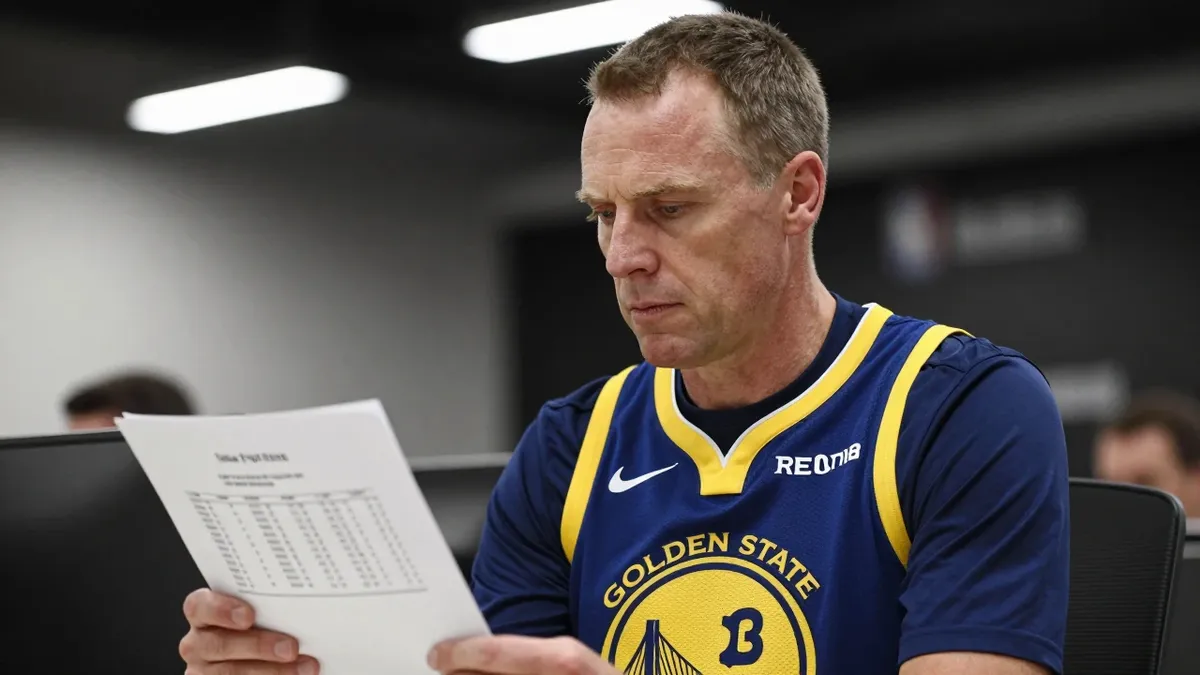
The Golden State Warriors' front office committed its worst-ever blunder before the 1980 NBA Draft, trading Hall of Famer Robert Parish and the No. 3 pick to Boston.
What was the Warriors' worst trade?
Before the 1980 NBA Draft, Golden State sent center Robert Parish and the No. 3 overall selection to the Boston Celtics. In return, the Warriors received the No. 1 and No. 13 picks. Golden State then used the top pick on 7-foot center Joe Barry Carroll. Carroll spent seven seasons with the Warriors, putting up decent numbers but never reaching the elite level expected of a first overall selection.
Parish, meanwhile, became a cornerstone for the Celtics. He teamed with Larry Bird and Kevin McHale to form a legendary frontcourt, winning three NBA championships in Boston. The Hall of Fame center's career far outstripped Carroll's, making the trade a lopsided disaster for Golden State. The Warriors essentially gifted a rival dynasty a key piece for a player who was merely good.
Why does this trade still matter today?
Front-office decisions have long-lasting consequences. This trade is a textbook example of a franchise failing to properly evaluate its own talent. Parish was already on the Warriors' roster, yet they undervalued him. It serves as a cautionary tale about asset management, a lesson relevant as the team builds its current roster.
Successful teams often make savvy trades, like the 2020 deal that brought Andrew Wiggins to Golden State. That move involved sending D'Angelo Russell, Jacob Evans, and Omari Spellman to Minnesota. It netted Wiggins and draft capital, helping the Warriors win another title. The contrast between that win and the Parish loss is stark.
How does history connect to the Warriors' current situation?
The team's present challenges highlight how difficult sustained success is. After a period of dominance, every franchise faces rebuilding phases or rough patches. You can track their progress in the standings.
While today's struggles are about on-court execution and roster construction, they remind fans that front-office vision is everything. A single bad decision can set a team back for years. The Parish trade deprived the Warriors of a decade of elite interior defense and scoring. It's a ghost from the past that fans still discuss when evaluating management.
What can the Warriors learn from this mistake?
Player evaluation is the core lesson. Knowing what you have in your own locker room is as important as scouting new talent. The Warriors misjudged Parish's potential and his fit within their system. Modern analytics and advanced scouting aim to prevent such errors, but the human element of judgment remains.
It also shows the risk of draft-day maneuvering. Moving up to select a specific player, like Joe Barry Carroll, carries immense risk. Sometimes the perceived sure thing isn't so sure. The Warriors' current decision-makers must balance potential with proven production as they look to improve the team's stats.
This trade remains the low point in franchise transactions. It's a sign that even the most successful organizations have skeletons in their closet. For Golden State, moving past historical errors means focusing on building a competitive roster for the future, one smart decision at a time.